

Florence is known as the birthplace of the Renaissance, but its identity extends well beyond that. Art, architecture, food, and craftsmanship all play a role in shaping the city today.
Across its historic center, you encounter some of Italy’s most recognizable landmarks alongside works by artists such as Michelangelo, Leonardo da Vinci, and Botticelli. At the same time, Florence is defined by everyday elements: local cuisine, artisan traditions, and a compact layout that makes the city easy to experience on foot.
So, what is Florence known for? Not a single highlight, but a combination of elements that come together naturally throughout the city.
Florence and the Renaissance
Florence is widely considered the birthplace of the Renaissance, a period that transformed art, science, and culture across Europe.
Between the 14th and 16th centuries, the city became a center of innovation, driven in part by influential families such as the Medici, who supported artists, architects, and thinkers, and played a key role in shaping Florence’s cultural and political development.
In this context, alongside figures such as Michelangelo, Leonardo da Vinci, and Sandro Botticelli, contributors like Filippo Brunelleschi and Leon Battista Alberti introduced new approaches to perspective, proportion, and architectural design.
Advances in linear perspective, anatomical study, and the revival of classical models reshaped how art and knowledge were developed and understood.
Florence remains the place where these methods were first consolidated into a coherent cultural movement, making it one of the best places to visit in Tuscany for understanding the origins of the Renaissance.
Art and museums in Florence
Art remains one of the elements most closely associated with Florence on a global level, but it’s not confined to a single space or institution.
The city hosts some of Italy’s most important museums, including:
- the Uffizi Gallery, one of the oldest museums in Europe, with an extensive collection that typically requires several hours to fully explore, where works such as Botticelli’s Birth of Venus and Leonardo da Vinci’s Annunciation trace the evolution of Renaissance art;
- the Accademia Gallery, home to Michelangelo’s David, originally created for the Cathedral complex and now displayed in a purpose-built space.
These collections give context to what began during the Renaissance, linking individual artists to a broader cultural moment.
Florence landmarks: the most iconic places to see
The legacy of the Renaissance extends across the entire city and is visible in its streets, squares, and skyline.
Among the most recognizable landmarks, that shape both identity and visual landscape of Florence:
- the Duomo, Cathedral of Santa Maria del Fiore, with Brunelleschi’s dome still dominating the city skyline;
- Palazzo Vecchio, the historic seat of political power overlooking Piazza della Signoria, an open-air space where sculpture and architecture come together;
- Ponte Vecchio, one of the few bridges in Europe historically lined with artisan shops.
All of these sites are located within a compact area, making it easy to move between them and experience different layers of the city in a short time.
Together, they form a continuous urban landscape where historical and civic spaces are still part of everyday life.
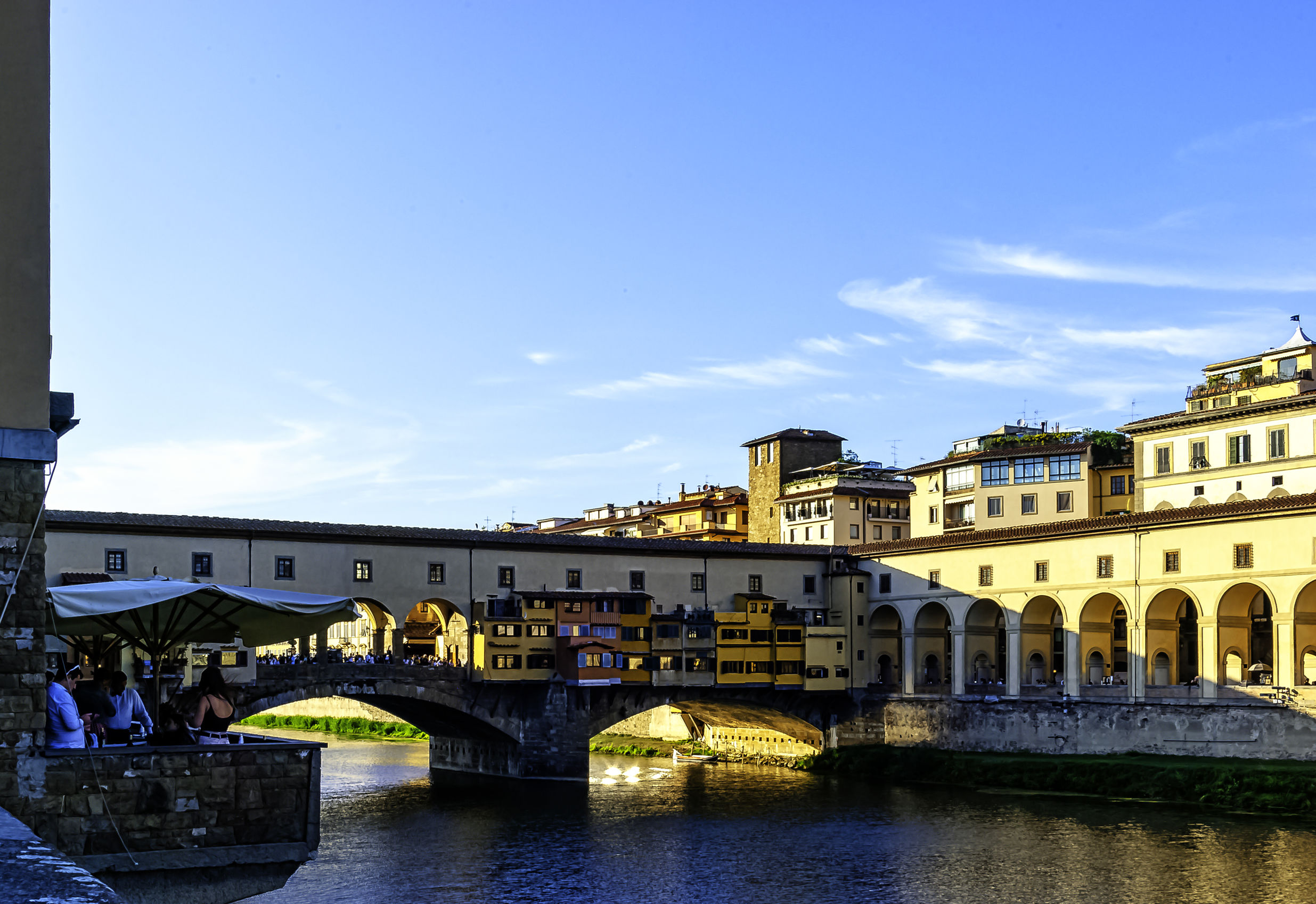
What is Florence known for beyond the main landmarks?
While Florence is often associated with its museums and historic landmarks, part of the experience comes from how the city is lived on a daily basis.
Some of the most common ways to experience it include:
- walking through the historic center and its smaller streets;
- visiting local markets such as Mercato Centrale;
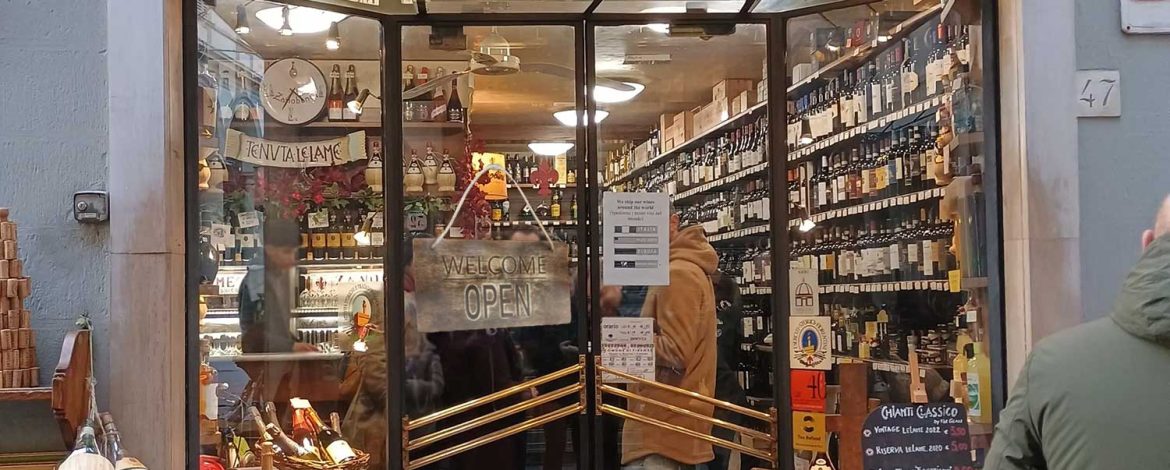
- enjoying a glass of wine and exploring local food traditions;
- discovering artisan workshops in neighborhoods like Oltrarno.
These moments help explain what Florence is known for beyond its main landmarks, connecting major attractions with the city’s everyday rhythm.
What food is Florence known for?
Food is a central part of daily life in Florence and reflects the region’s strong connection to local ingredients and traditions.
Some of the most representative dishes include:
- bistecca alla fiorentina, a thick-cut T-bone steak from the Chianina breed, traditionally cooked rare over an open flame and served simply with salt and olive oil;
- ribollita, a dense soup made with beans, vegetables, and stale bread, originally a peasant dish designed to reuse leftovers;
- pappa al pomodoro, a thick tomato and bread-based dish with a rich, almost creamy texture, flavored with garlic, olive oil, and basil;
- Tuscan wines, especially from nearby Chianti areas, known for structured reds based on Sangiovese grapes.
Rather than elaborate preparation, these dishes are defined by simplicity and seasonality, closely tied to the agricultural history of Tuscany.
Fashion, craftsmanship and local culture
Artisan workshops are part of the everyday experience of Florence, especially in areas such as Oltrarno, where small studios continue to produce leather goods, paper products, and textiles using traditional techniques.
Working environments remain active and visible, offering a direct view of processes that have been passed down over time and still contribute to the local economy.
This same attention to materials and manual skill is reflected in Florence’s role within the fashion industry, which continues to draw from a long-standing culture of craftsmanship.
When is the best time to visit Florence?
Florence can be visited throughout the year, but the best time to visit is typically in spring and early autumn, when the weather is milder and crowds are more manageable compared to the peak summer months.
- Spring (April to June): pleasant temperatures and longer days, though crowds increase from May onwards.
- Summer (July and August): very hot, often above 35°C, and consistently busy.
- Early autumn (September to October): slightly cooler, with a more relaxed pace.
- Winter: quieter overall, with fewer crowds and easier access to museums.
Choosing when to visit depends mainly on how you balance climate, crowd levels, and the type of experience you’re looking for.
What makes Florence feel unique
Florence is often associated with its Renaissance heritage, but what defines it today is how that history remains visible in the city itself: architecture, culture, and daily life coexist across the historic center, where churches, squares, and streets still reflect centuries of development.
This blend of historical layers and everyday activity is a large part of what Florence is known for: a city whose identity is not confined to monuments, but spread across its urban fabric.
It’s a city that also fits naturally into a wider journey through Tuscany, where cities, landscapes, and local traditions are closely linked and can be explored together.
FAQ
Essential questions about visiting Florence
What is Florence best known for historically?
Florence is best known for its role during the Renaissance, when it became a center for artistic and intellectual innovation supported by influential families such as the Medici.
What are the main things to see in Florence?
Florence’s main highlights include the Cathedral of Santa Maria del Fiore, Uffizi Gallery, Accademia Gallery, Ponte Vecchio, and Piazza della Signoria, all located within a compact historic center.
Is Florence worth visiting?
Yes. Florence offers a combination of art, history, and everyday culture within a compact and walkable setting, making it accessible even for short stays.
How many days do you need in Florence?
Most visitors spend three to four days in Florence. This is enough to see the main landmarks and experience the city at a comfortable pace. Longer stays allow time to explore artisan areas, local food spots, and nearby destinations in Tuscany.

Comment (0)