

Lake Como is often associated with its scenery, but the experience goes far beyond the views. Historic villages, lake cruises, villas, local food traditions, and outdoor activities all contribute to the character of the lake and the way you can explore it.
Much of what there is to do at Lake Como can be grouped into four main experiences:
- exploring lakeside villages with distinct atmospheres and rhythms;
- visiting historic villas and gardens along the shoreline;
- moving across the lake by ferry or private boat;
- discovering local food traditions, wine tastings, and regional specialties.
Explore the Villages: Bellagio, Varenna, Como, and Menaggio
Bellagio, Varenna, Como, and Menaggio are among the most recognisable places on Lake Como, each reflecting a different way of experiencing the lake: from vertical historic centers to lakeside promenades and urban waterfronts.
Together, they show how varied Lake Como can be, from urban waterfronts and historic centers to quieter villages and lakeside promenades.
Como
Como is the main gateway to Lake Como and the point where most visitors begin their journey. Its historic center is built around the cathedral and a network of medieval streets, while the waterfront connects the city to the ferry routes that reach the lake’s most famous villages. This combination of urban life and lake access gives Como a character that differs from the smaller towns further north.
Bellagio
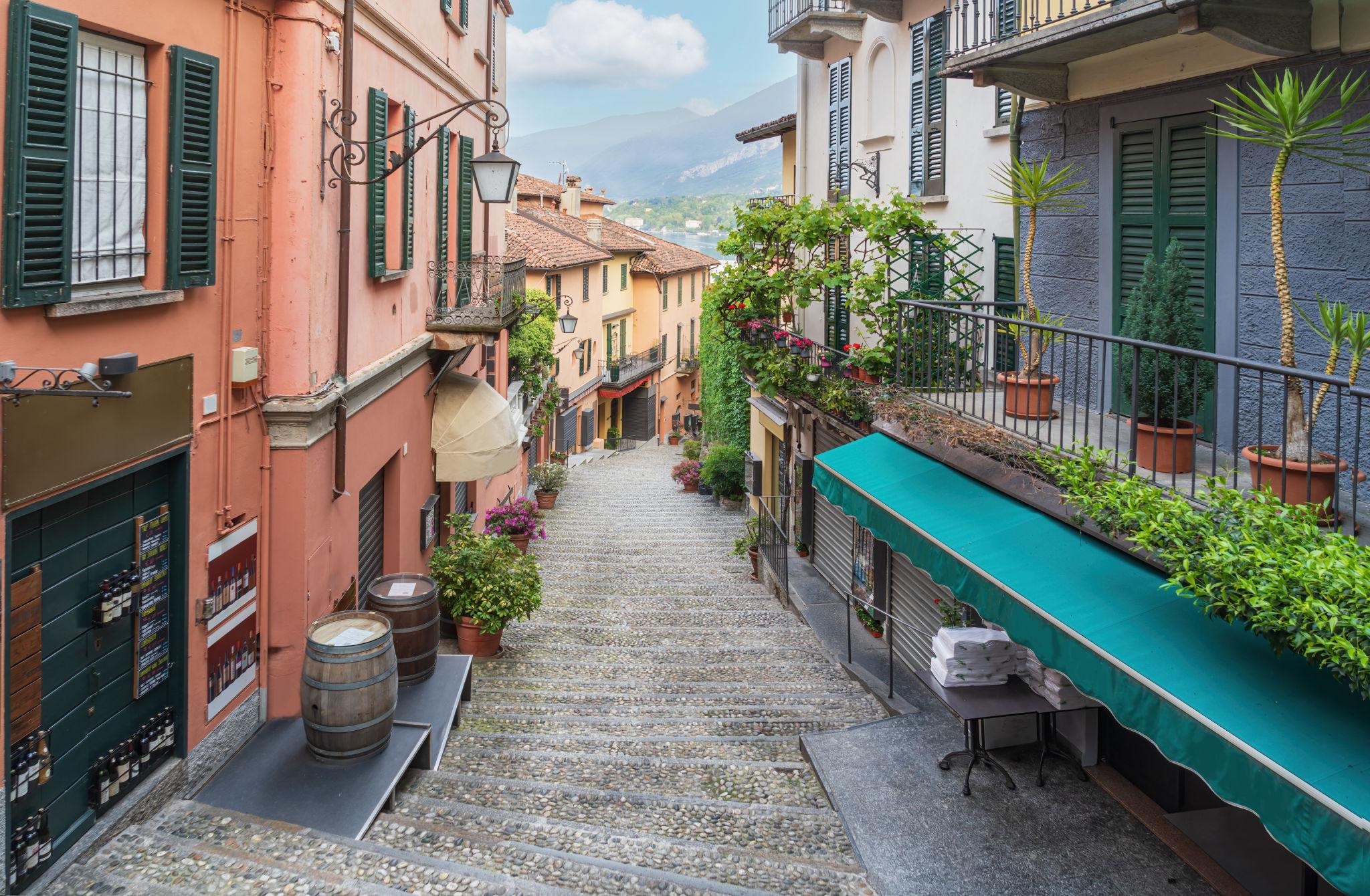
Bellagio sits at the point where the lake splits into two branches, giving it a central position within the landscape. The historic center unfolds through narrow alleys, stone stairways, and small terraces that open unexpectedly onto the water. This constant relationship between the village and the lake is one of the reasons Bellagio has become one of the area’s most photographed destinations.
The village is also known for its historic villas and gardens, which reflect the close relationship between architecture and landscape. For a deeper look at this aspect, see our article Bellagio Villas on Lake Como: Views, Gardens and Landscape.
Varenna
Varenna, on the eastern shore, is one of the lake’s most compact villages. The Passeggiata degli Innamorati (Lovers’ Walk) follows the shoreline, keeping the water constantly in view and contributing to the village’s quieter atmosphere. Its ferry connections make it easy to combine with destinations such as Bellagio and Como.
Menaggio
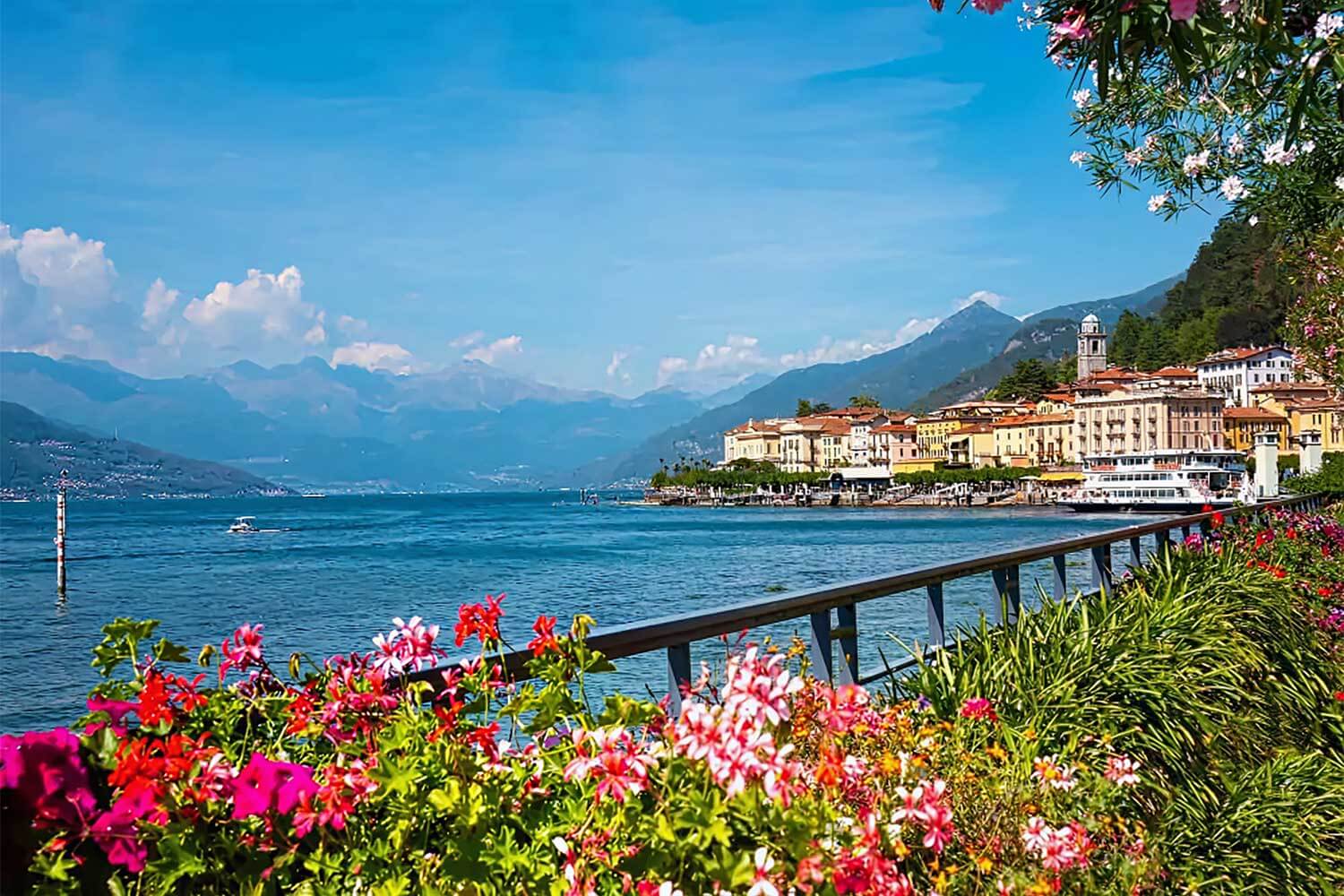
Menaggio, on the western shore, is characterised by a long lakeside promenade and a more relaxed atmosphere than many of the lake’s busiest destinations. Its central position along the western branch makes it a practical starting point for exploring nearby villages by ferry, while the historic center preserves the character of a traditional lakeside settlement.
Lake Como villas: Balbianello and Carlotta
Historic villas are among the defining landmarks of Lake Como. Originally built as aristocratic residences, they combine architecture, gardens, and panoramic settings designed to interact directly with the surrounding landscape.
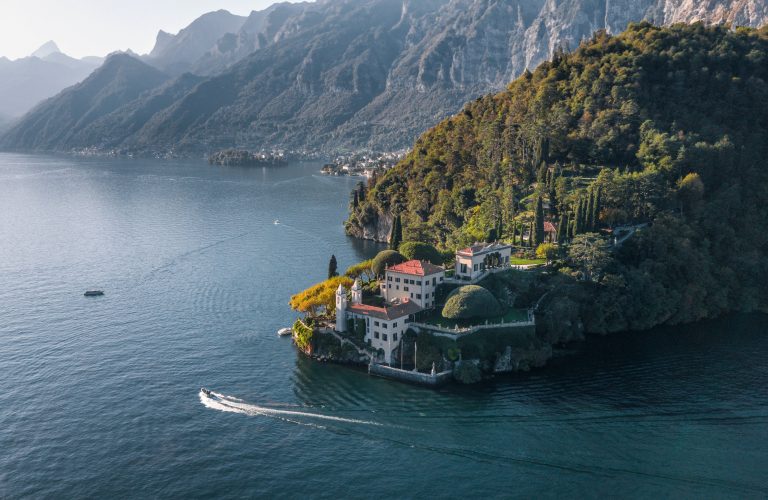
- Villa del Balbianello: located in Lenno on a wooded promontory overlooking the lake, it is known for its dramatic position above the water and for the panoramic terraces that frame some of Lake Como’s most recognizable views.
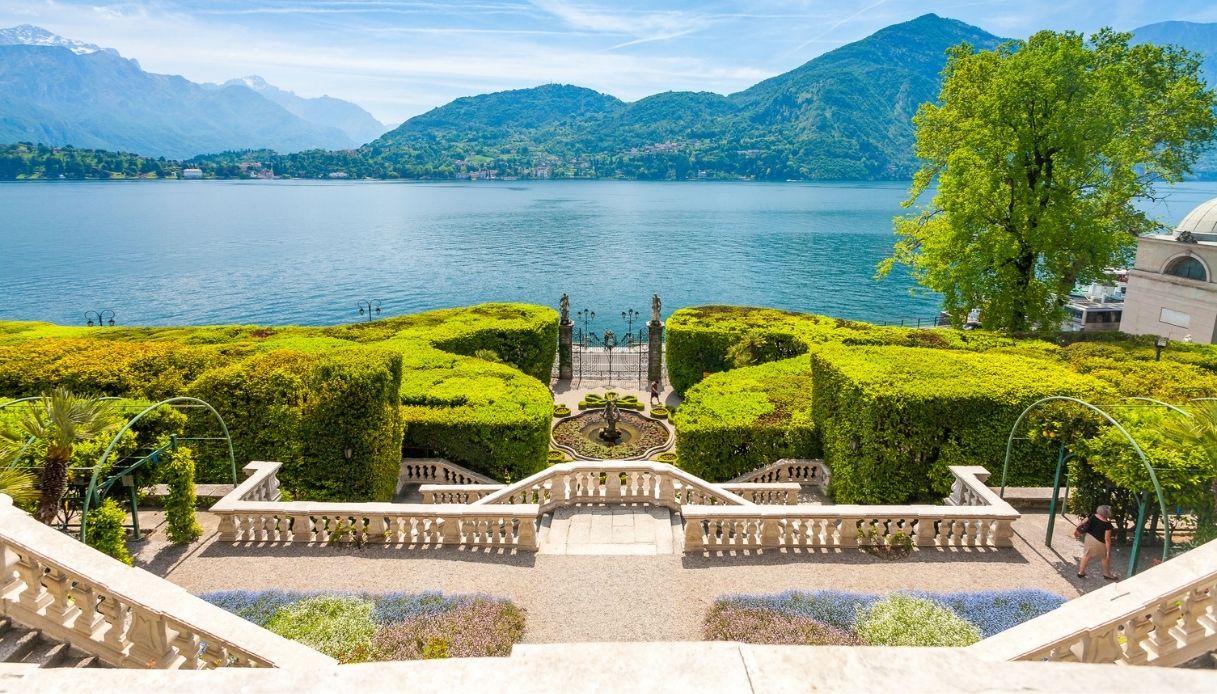
- Villa Carlotta: located in Tremezzo, it combines historic interiors with extensive botanical gardens that transform throughout the seasons, particularly during the spring flowering period.
Food and local traditions
Among the many things to do at Lake Como, exploring local food traditions is one of the most direct ways to experience the character of the area.
Local cuisine reflects the meeting point between lake culture and the surrounding Alpine landscape, combining freshwater fish, mountain ingredients, local cheeses, and seasonal ingredients.
Some of the most representative local specialties include:
- Missoltini: traditional dried and preserved lake fish, one of the most distinctive foods of the Como area.
- Perch risotto: risotto topped with locally caught perch, considered one of the lake’s signature dishes.
- Polenta: a staple of mountain cooking, traditionally served with meat, fish, or local cheeses.
- Local cheeses: products from the surrounding valleys, often featured in traditional recipes and tasting experiences.
Beyond traditional dishes, many food experiences around the lake include visits to wineries and local producers, where regional wines and specialties can be sampled in a more direct and authentic setting.
Getting on the water: ferries, boats, and kayaking
Moving across Lake Como offers a different perspective on the landscape. From the water, villages, mountains, and shoreline can be appreciated as part of a single environment, revealing views that are often hidden from the road.
Visitors typically experience the lake in three ways:
- Public ferries: the main transport network connecting Como, Bellagio, Varenna, Menaggio, and many other lakeside towns.
- Boat excursions and cruises: a scenic way to explore the lake, with continuous views of historic villas, waterfront villages, and the surrounding mountains.
- Kayaking: a slower and more personal experience, particularly suited to quieter stretches of shoreline away from the busiest routes.
How many days do you need at Lake Como?
Most visitors spend between two and four days around Lake Como, depending on how many villages and experiences they want to include in their itinerary.
- 1 day: enough to visit Como and enjoy a short boat trip or lakeside walk.
- 2-3 days: enough to combine Como with villages such as Bellagio, Varenna, or Menaggio while experiencing the lake from the water.
- 4 days or more: ideal for a broader itinerary that combines village exploration, boat excursions, local food experiences, and day trips to destinations such as Milan, Lugano, or Lake Maggiore.
When to Visit Lake Como
Lake Como can be visited throughout the year, although the experience changes noticeably with the seasons:
- Spring: mild temperatures, villa gardens in bloom, and generally manageable visitor numbers.
- Summer: the best season for boat trips and outdoor activities, but also the busiest period. Bellagio in particular can become crowded, making advance reservations advisable.
- Autumn: comfortable temperatures, fewer visitors, and a quieter atmosphere around the lake.
- Winter: a slower local rhythm, reduced ferry schedules, and fewer services, making it better suited to cultural visits than outdoor exploration.
Is Lake Como worth visiting?
For many travelers researching what there is to do at Lake Como, the answer lies in the variety of experiences found around the lake. Villages, historic villas, boat excursions, local food traditions, and panoramic landscapes can all be explored within a relatively compact area.
This combination of scenery, culture, and local experiences is what makes Lake Como one of northern Italy’s most distinctive destinations.
Essential Questions About Lake Como
What is there to do at Lake Como?
Visitors typically combine lakeside villages, boat excursions, historic villas, panoramic viewpoints, and local food experiences. Most trips include several of these activities rather than focusing on a single attraction.
How many days do you need at Lake Como?
Two days cover the main villages and a boat trip. Three to four days allow for a slower pace, village exploration, boat excursions, food experiences, and panoramic walks.
What is the best way to get around Lake Como?
Ferries are the easiest way to move between the main lakeside towns. Walking within villages and combining short boat transfers with time on land covers most of what a typical visit requires.
Can you visit Lake Como without a car?
Yes. Ferries, trains, and walking are sufficient for most of the lake. For day trips to Milan or Switzerland, direct trains run from Como.
When is the best time to visit Lake Como?
Spring and autumn generally offer the best balance between weather, scenery, and visitor numbers. Summer is ideal for outdoor activities but also the busiest season.

Comment (0)