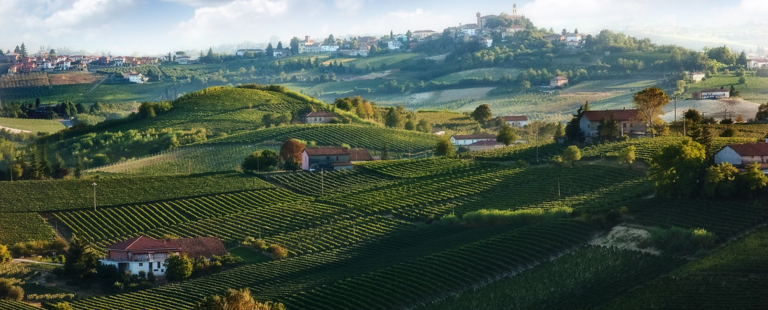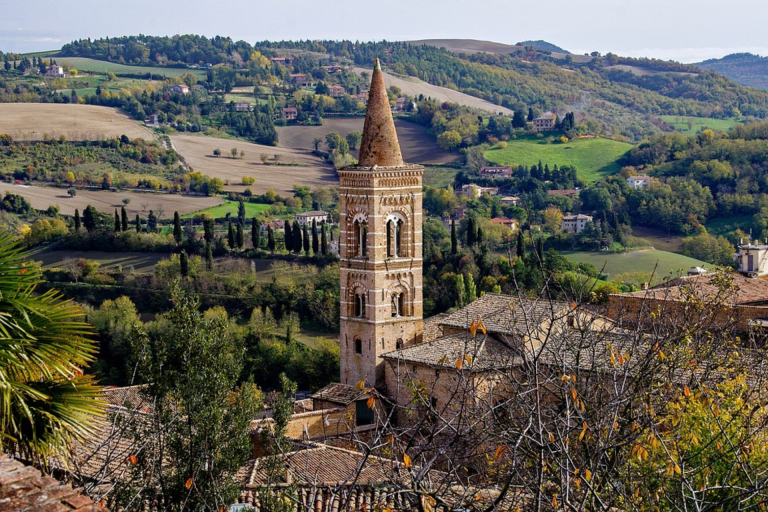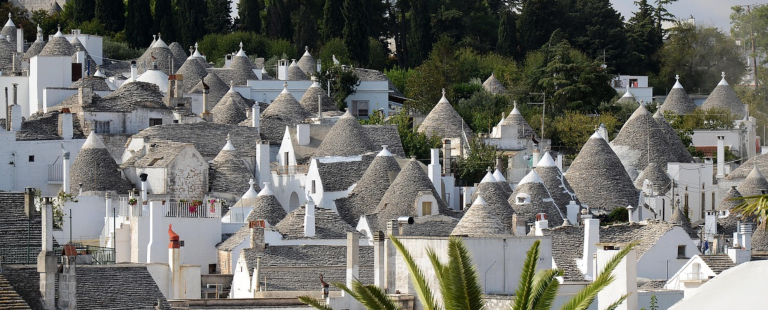
Set in southern Italy, in the sun-drenched region of Puglia, Lecce is often referred to as the Florence of the South. The comparison comes from its remarkable concentration of historic architecture, carved in a warm, honey-colored stone that catches the light throughout the day.
If you’re wondering about the best things to see in Lecce, the city offers a mix of historic landmarks, distinctive architecture, and easy access to the Salento region. Even with limited time, it’s possible to experience its main highlights while getting a sense of its atmosphere.
Why visit Lecce? Top reasons to explore the city
Lecce stands out for its distinct architectural style and its location in one of southern Italy’s most varied regions.
Its historic center can be explored entirely on foot, with major landmarks concentrated within a relatively small area. This makes it an easy destination to navigate, even on a short trip.
At the same time, Lecce offers a more laid-back alternative to Italy’s busier cities, while still providing access to coastal towns, beaches, and inland villages across Salento.
If you’re planning a wider trip, it’s worth exploring other best places in Puglia to see how Lecce fits into the region.
So, is Lecce worth visiting?
Absolutely, especially if you’re looking for:
- a destination rich in history and architectural detail;
- a more relaxed, less crowded atmosphere;
- a starting point to explore the Salento area.
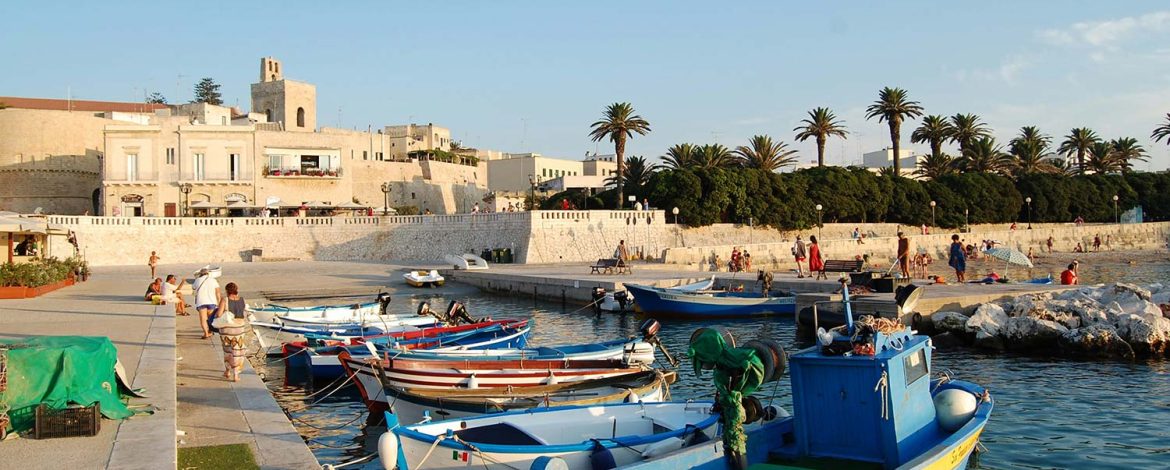
Things to see in Lecce: top baroque landmarks
Lecce is known for its richly decorated architecture, and most of its key landmarks are concentrated within the historic center.
If you’re visiting Lecce for the first time or have only one or two days, focusing on a few key sites is usually enough to get a clear sense of the city.
These are the main things to see in Lecce for first-time visitors:
- Basilica di Santa Croce;
- Piazza del Duomo;
- Duomo di Lecce;
- Roman Amphitheater.
Basilica di Santa Croce
This is the most iconic example of Lecce’s architectural style. Often referred to simply as Santa Croce, the basilica is known for its intricately carved façade with figures, animals, and ornamental details, reflecting the craftsmanship made possible by the local soft limestone. Construction began in the 16th century and continued for over a century, which explains the richness of its decoration.
Piazza del Duomo
One of the most elegant squares in Italy, Piazza del Duomo feels almost theatrical. It’s enclosed on three sides, creating a more intimate and structured space, and opens suddenly from a narrow street, which makes the first view particularly striking.
Duomo di Lecce
Also known as Lecce Cathedral, it is located within Piazza del Duomo. The cathedral has a relatively restrained main façade, but a more elaborate side facing the piazza. The bell tower, rebuilt in the 17th century, rises prominently above the historic center.
Roman Amphitheater
Located in the heart of the city and partly below street level, this structure dates back to the 2nd century AD. Only a portion has been excavated, but it still offers a clear glimpse into Lecce’s Roman past, embedded within the modern urban layout.
How many days should you spend in Lecce?
Lecce is a compact city, and its main highlights can be explored in a relatively short time. The ideal length of stay depends on how deeply you want to experience the city and its surroundings.
- 1 day is enough to see the main landmarks, including the main sights within the old town;
- 2-3 days allow for a more relaxed pace, with time to explore hidden corners, local food, and nearby coastal areas;
- Longer stays are ideal if you plan to use Lecce as a base to explore the wider Salento region, including beaches and smaller towns.
More things to see in Lecce: hidden corners and local spots
To understand Lecce beyond its main landmarks, it helps to move away from the central squares and into the smaller streets of the historic center.
In these areas, the city feels less curated and more lived-in, shaped by everyday routines rather than visitor flows.
Look out for:
- Artisan workshops, especially those dedicated to papier-mâché: a traditional local craft used to create decorative sculptures and religious figures;
- Internal courtyards, often hidden behind unassuming doorways;
- Smaller churches, less visited but rich in detail.
Exploring these quieter corners reveals additional things to see in Lecce beyond its most photographed sites
What to eat and experience in Lecce
Local food is one of the most direct ways to connect with Lecce, even during a short visit. Among the most typical specialties:
- Pasticciotto, a small pastry filled with custard cream;
- Rustico leccese, a savory puff pastry with béchamel and tomato;
- Caffè leccese, an iced coffee with almond syrup, especially popular during warmer months;
- wines from the Salento area.
These foods are tied to specific moments of the day. Breakfast often starts at a local café with a pasticciotto, while the early evening is reserved for aperitivo; a common habit across Italy, where drinks are paired with small bites before dinner. After that, much of the city’s social life moves outdoors: people gather in squares, stroll through the historic center, or sit down for a long, relaxed dinner.
Beaches near Lecce
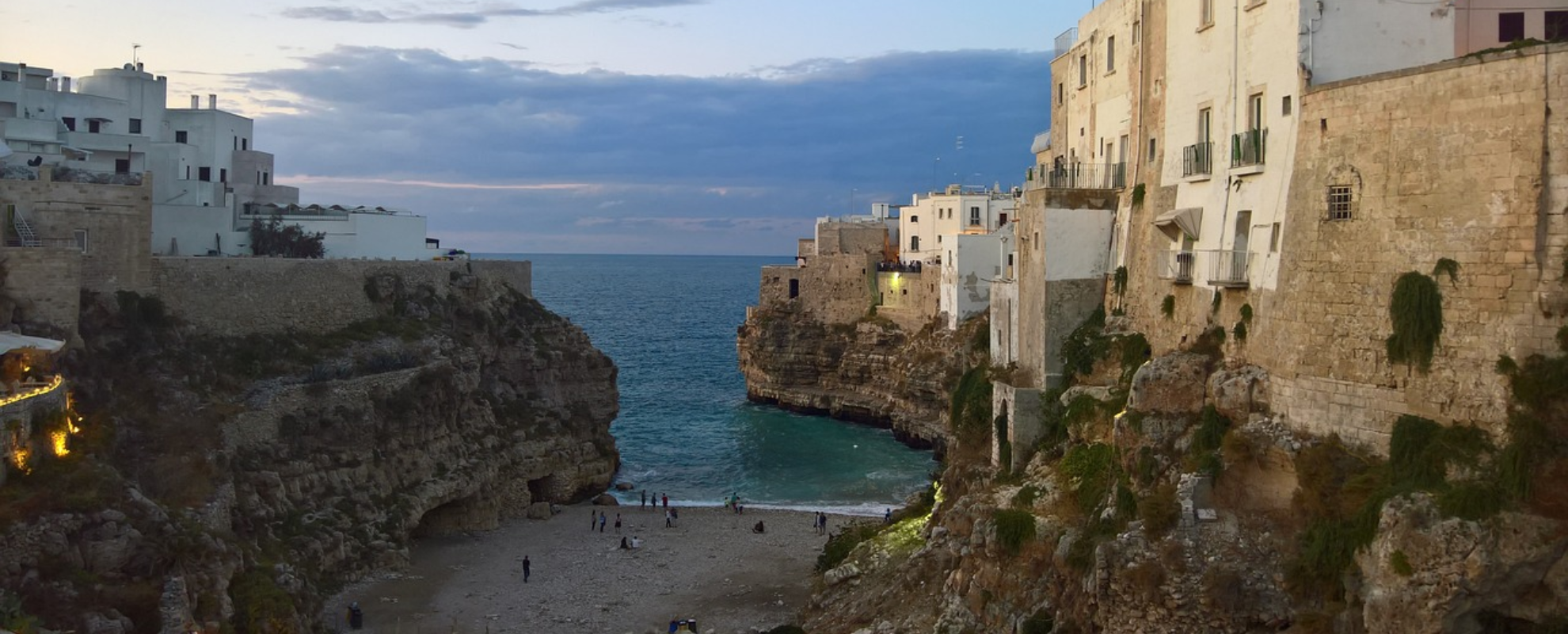
One of Lecce’s key advantages is its location between two coastlines, both within easy reach.
On the Ionian side, Porto Cesareo is known for its calm, shallow waters and sandy seabed, making it one of the most accessible beach areas in the region.
On the Adriatic coast, Torre dell’Orso stands out for its more dramatic landscape, with cliffs, clear water, and the well-known rock formations just offshore.
Gallipoli, further south, combines beach time with a historic center set on a small island, offering a different mix of seaside and urban atmosphere.
This variety makes Lecce a practical base for reaching different parts of the Salento coast without changing accommodation.
If you’re planning to extend your trip beyond Lecce, Taste of Apulia: Through History and Tradition offers a structured way to explore other areas of Puglia, including the Itria Valley and the Adriatic coast.
When is the best time to visit Lecce
Lecce can be visited throughout the year, but the experience varies depending on the season.
Late spring and early autumn are generally the most balanced periods, offering good weather and a more manageable number of visitors.
- Spring (April to June): warm temperatures and a lively atmosphere without peak-season crowds.
- Summer (July and August): the busiest and hottest months, with festivals and strong coastal activity.
- Early autumn (September to October): milder light, fewer people, and sea temperatures still suitable for swimming.
- Winter: quieter overall, better suited for cultural visits rather than coastal experiences.
Choosing when to visit depends mostly on whether you prioritize the city itself, the beaches, or a combination of both.
Tips for visiting Lecce
A few practical considerations can make your visit smoother.
- The historic center is largely pedestrian, so plan to explore it on foot and wear comfortable shoes.
- If you want to reach the beaches or smaller towns in Salento, renting a car is usually the most efficient option.
- Shops and restaurants often close in the early afternoon and reopen later in the day, so plan your schedule accordingly.
Things to see in Lecce: details that stay with you
Lecce is a city best understood through its details: the carved stone of its churches, the rhythm of its streets, and the balance between historical landmarks and everyday life.
For travelers planning what to see in Lecce, the city offers a compact yet layered experience, where major sites and smaller discoveries naturally fit into the same visit.
It also fits naturally into a broader trip through southern Italy, where historic towns and coastal landscapes are closely connected and easy to combine in a single trip.
FAQ
Essential questions about visiting Lecce
What is Lecce known for?
Lecce is known for its elaborate baroque architecture, built using a soft local limestone that allows for highly detailed carvings. It’s also recognized for its historic center and its role as a gateway to the Salento region.
Is Lecce worth visiting?
Yes, especially if you’re looking for a destination that combines history, culture, and easy access to the sea.
How many days do you need in Lecce?
Most visitors spend between one and three days in Lecce. One day is enough to see the main landmarks, while two or three days allow time to explore the historic center more slowly and visit nearby coastal areas.
Is Lecce a good base to explore Puglia?
Yes. Lecce works well as a base for exploring the Salento area, with relatively easy access to beaches, coastal towns, and smaller inland villages.
What are the best things to do in Lecce at night?
In the evening, Lecce becomes more lively, especially in the historic center. Common activities include having an aperitivo, dining in local restaurants, and walking through the main squares when the buildings are illuminated.